P/N 2455038-2: Engine Cooling Airflow Component
P/N 2455038-2: Engine Cooling Airflow Component
Blog Article
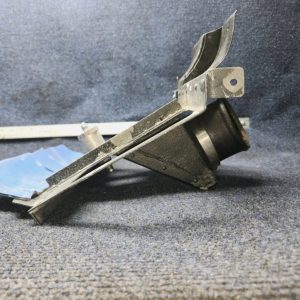
The Cessna 172RG Rear RH Baffle Assembly
A Cessna 172RG Rear Right-Hand Baffle may also be described as a Cessna 172RG Engine Baffle or Cessna 172RG Cooling Baffle when the position and part number remain clear.
Whether described as a Cessna Cutlass Engine Baffle, Cessna 172RG Baffle Assembly, Rear RH Engine Baffle, or Aircraft Engine Baffle Assembly, precise configuration verification remains essential.
The Cessna Engine Cooling Baffle works with other Cessna 172RG Engine Compartment Parts to reduce unwanted air leakage and direct airflow through intended cooling paths.
The Cessna Aircraft Engine Baffle, Engine Cooling Baffle Assembly, Cessna Cutlass Cooling System Part, and Cessna 172RG Replacement Baffle terms represent related maintenance and commercial searches.
Key Identification Details for the Cutlass Baffle
The seller should provide photographs of identification markings, flanges, holes, brackets, edges, formed contours, and previous repairs.
The buyer should determine whether the assembly is original, repaired, refurbished, fabricated, removed from an aircraft, or offered as an incomplete section.
Function of the Rear Right-Hand Baffle
The component should not be considered an isolated panel because its effectiveness depends on the condition of the complete baffle arrangement.
A replacement component should restore the intended geometry without creating interference with cylinders, hoses, wiring, controls, exhaust parts, or cowling.
Verifying Fitment Before Purchase
Aircraft-specific verification helps prevent unsuitable substitution and expensive rework.
Mounting holes should not be enlarged or relocated casually to force alignment.
Aircraft Engine Baffle Construction
Preserving original geometry supports proper alignment and airflow management.
Previous forming or repair work should be disclosed and inspected carefully.
Assessing a Used Cessna Baffle
A detailed inspection provides stronger evidence than a general good-condition description.
Unusual waviness or twisted geometry should be measured rather than dismissed as cosmetic.
Maintaining an Effective Cooling Boundary
Torn, hardened, curled, shortened, oil-soaked, missing, or incorrectly oriented seals can reduce the effectiveness of the cooling system.
Replacement seal material should correspond with the intended aircraft installation and suitable technical requirements.
Engine Compartment Contamination Concerns
Surface staining may be minor, while pitting, material loss, exfoliation, or corrosion around holes can require more extensive action.
Storage components should remain dry, clean, supported, and protected from unsuitable wrapping that traps moisture.
Maintaining Secure Baffle Connections
Detailed attachment-point inspection supports accurate repair planning.
Correct attachment practices support secure and maintainable baffle installation.
Managing Engine Baffle Parts Inventory
A missing bracket, damaged seal, or distorted neighboring panel can delay installation even when the primary baffle is available.
Clear component control reduces accidental installation of unverified engine-compartment parts.
Engine Cooling Troubleshooting
Complete troubleshooting helps prevent unnecessary replacement and repeated maintenance.
Post-maintenance checks should confirm that the complete installation functions as intended.
Sheet-Metal Cooling Component Restoration
The technician should consider access, labor, material, finishing, alignment, seals, and future maintainability.
Unauthorized welding, oversized fasteners, excessive material removal, or uncontrolled bending can reduce suitability.
Evaluating a Used Aircraft Cooling Baffle
Honest listings reduce disputes and strengthen buyer confidence.
Unsupported direct-fit, cooling-performance, or airworthiness claims should be avoided.
Evaluating P/N 2455038-2
Any uncertainty regarding orientation, completeness, engine clearance, or aircraft compatibility should be resolved before shipment.
- Resolve identity, compatibility, orientation, and package-completeness questions before payment.
- Confirm whether the component came from an accident aircraft, overheated engine compartment, corroded airframe, dismantled project, or controlled removal.
- Inspect and photograph the assembly immediately after delivery before cleaning, stripping, drilling, bending, repairing, painting, or installation.
Preventing Damage During Storage
The baffle should be packaged with rigid support that protects thin sheet metal, formed flanges, brackets, mounting tabs, edges, seal retainers, and identification markings.
During storage, the component should remain supported in its natural shape rather than leaning under loads that may cause distortion.
Completing a Rear Baffle Replacement
The engine compartment should be inspected before the replacement component is positioned permanently.
Protective finishes and seal materials should be compatible with the intended engine-compartment environment.
Ground-operation observations should be completed through suitable procedures without promising a specific temperature improvement.
Maintaining the Cessna 172RG Cooling System
Long-term maintenance includes periodic inspection of the baffle, seals, fasteners, brackets, adjacent panels, cowling contact areas, protective finishes, and corrosion-prone locations.
Recurring cracks or loose attachments should prompt investigation of vibration, alignment, and supporting hardware.
Buying a Rear Right-Hand Engine Baffle
For the appropriate Cessna Cutlass installation, the assembly can help restore the intended rear more info right-hand cooling-air boundary when surrounding components are also maintained properly.
Aviation maintenance personnel should evaluate the assembly before repair, alteration, installation, or operational release.
Whether maintenance teams are sourcing an Engine Cooling Baffle Assembly, Cessna Cutlass Cooling System Part, or Cessna 172RG Replacement Baffle, qualified installation should precede operational use.
With transparent donor history, protected shipping, correct fitment, qualified repair planning, and effective seal installation, the component can support a professional Cessna 172RG project.
Report this page